What Style Means on a Box
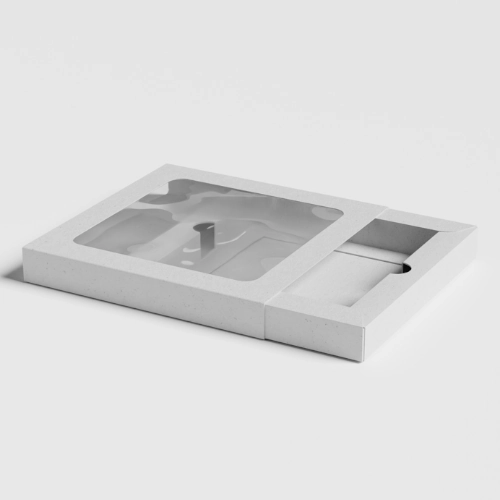
A style is the skeleton of the box, the part that stays fixed while colors and artwork change around it. The tuck end is a full box whose flaps fold and lock shut at both ends. The sleeve is an open band that slides around the bar and leaves both ends exposed. The window style is a full box carrying a die-cut opening, with clear film available behind the opening when the bar needs cover. The lid and tray style is two separate pieces, a base that holds the bar and a lid that lifts away. The display style is a counter tray with a raised back panel that holds a row of bars upright. Five skeletons, five different jobs, which is why choosing among soap box styles comes before choosing colors or finishes. Together, the five cover the soap packaging styles a soap line will ever need, from a farmers market table to a department store shelf.
Match the Style to the Way the Soap Sells
At a market stall the customer picks the bar up and smells it, so open structures win: a sleeve leaves the scent one slide away and wraps a bar in seconds between customers. In a retail store the bar has to survive strangers handling it for weeks, so the tuck end seals it completely, takes a barcode and a full ingredient panel, and stacks in flat rows. Online, the box doubles as shipping armor, so a snug tuck end or a two-piece structure earns its place by arriving with corners intact.
Gift ranges lean on the lid and tray structure, because lifting a lid feels like an event and the rigid tray underneath keeps working as storage long after the bar is gone. Counters belong to the display style, where the raised back panel carries the brand name above a neat row of bars and sells to people who came in for something else. Reading those five selling situations side by side is the honest way to compare different soap box styles: the right one is rarely the prettiest, it is the one that fits the moment of sale.
| Style | How It Is Built | Best For | Suits |
|---|
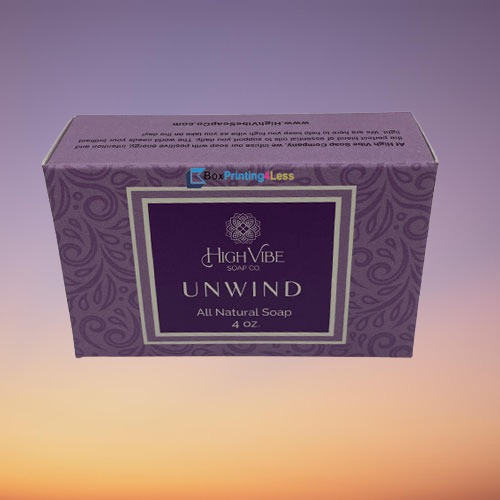
| Tuck End | Full box, flaps fold shut at both ends | Sealed retail bars and online orders | Everyday brands and refill bars |
| Sleeve | Open band that slides around the bar | Scent-led handmade bars | Market stalls and craft fairs |
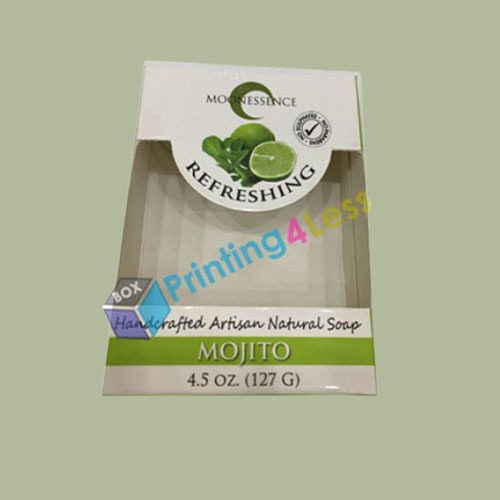
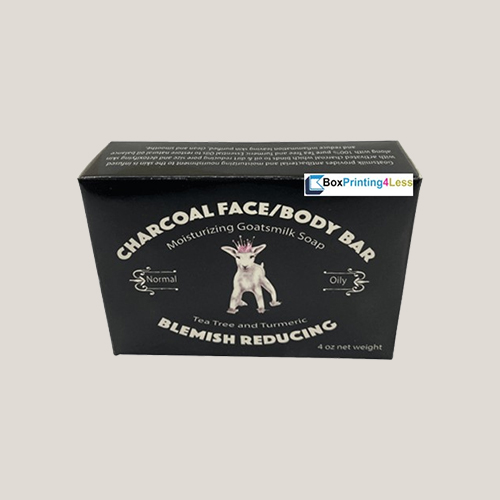
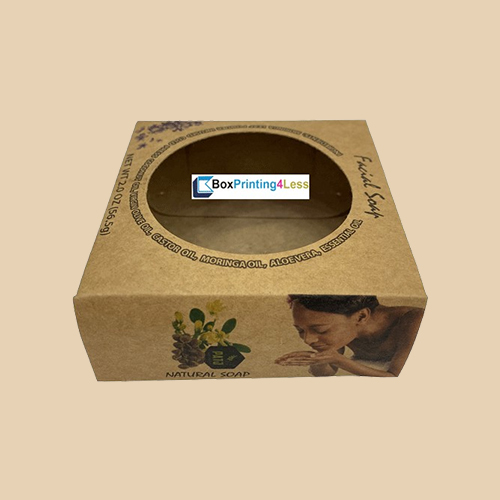
| Window | Full box with a die-cut opening | Colorful and swirled bars | Gift shops and retail shelves |
| Lid and Tray | Two separate pieces, the lid lifts off | Premium and gift bars | Luxury lines and gift sets |
| Display | Counter tray with a raised back panel | Several bars sold from one tray | Boutiques and shop counters |
Boards and Finishes Follow the Style
Once the structure is fixed, the board has a narrower job to do. A sleeve only grips the bar, so it runs happily on 16 or 18pt cardstock or a kraft sheet. A tuck end carries a sealed bar through handling and post, so 18pt is the working standard and 24pt takes over for heavy, oil-rich bars. The lid and tray style asks the most of the board, with heavy cardstock or rigid board holding the crisp edges the style is judged by. A window style needs a board clean enough to cut sharply around the opening, and a display tray needs the heaviest sheet of the five so the back panel stands without bowing. Brands that already hold several custom soap box designs often keep one board family across the whole range, so a sleeve and a tuck end from the same line feel related on the shelf.
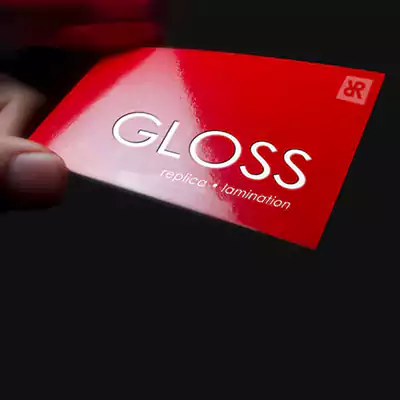
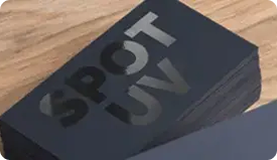
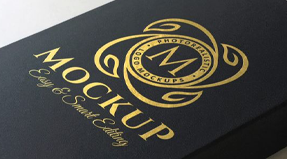
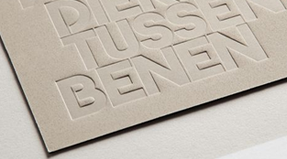
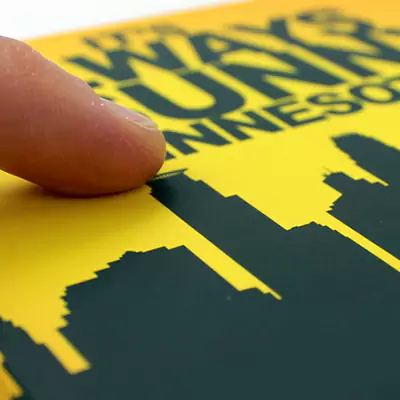
Finishes follow the same logic. A market sleeve in natural kraft asks for little more than a bold one-color print. A retail tuck end takes matte or gloss lamination for the weeks of handling ahead of it. A lid and tray earns spot UV, foil or embossing, because the unboxing is part of the price. Samples settle both questions before a full run of custom style soap packaging is printed: one finished box in the hand ends every argument about board weight and shine.
Choosing in the Right Order
Work through the choice in this order and the box nearly designs itself. Measure the largest cured bar in the batch first, including any raised stamp or botanical top, since the structure is cut around that bar and no other. Name the selling moment second: stall, shelf, parcel, gift or counter. Let that moment pick the structure third, then let the structure pick the board, and only then spend time on printing and finish. Skipping the order is how brands end up with stylish soap boxes that fail at the job in front of them: a sleeve wrapped around a bar that ships by post, a display tray photographed for an online store it will never stand in. Fixed in this order,
custom style soap boxes stop being a catalogue of shapes and become one decision the brand gets right once, then reorders without thinking.
Every structure on this page is produced under the same terms. Quantities run from one box to a full production of 50,000, and no charge is made for the dies or plates any style needs. The design service costs nothing, and delivery to addresses across the USA carries no shipping fee. Standard production takes 7 to 8 business days after artwork approval, with a faster rush lane for launches that cannot wait. A single sample in the chosen structure is the safest final check before a range rolls out. When the selling moment picks the structure and the structure picks the board,
custom style soap boxes give every bar in the range a box that was decided, not defaulted.
Every structure above sits inside the wider
soap packaging range, where the finished styles can be compared side by side.
Selling from a shop counter? Begin with
display boxes and match the tray to the bars it will hold.










 Matte Lamination
 Gloss Lamination
 Spot UV
 Holographic Foiling
 Foil Stamping
 Embossing
 Debossing
 Soft Touch Lamination
 SBS C1S
 SBS C2S
 Natural Brown Kraft
 Black Kraft
 White Kraft
 Custom Texture
 Metalized Cardboard
 Holographic Stock
 Inserts
 Window Patching
 Digital Printing
 Offset Printing
 Oil Based Inks
 Pantone Colors